
📧
☎ 818-514-5359
📧
☎ 818-514-5359

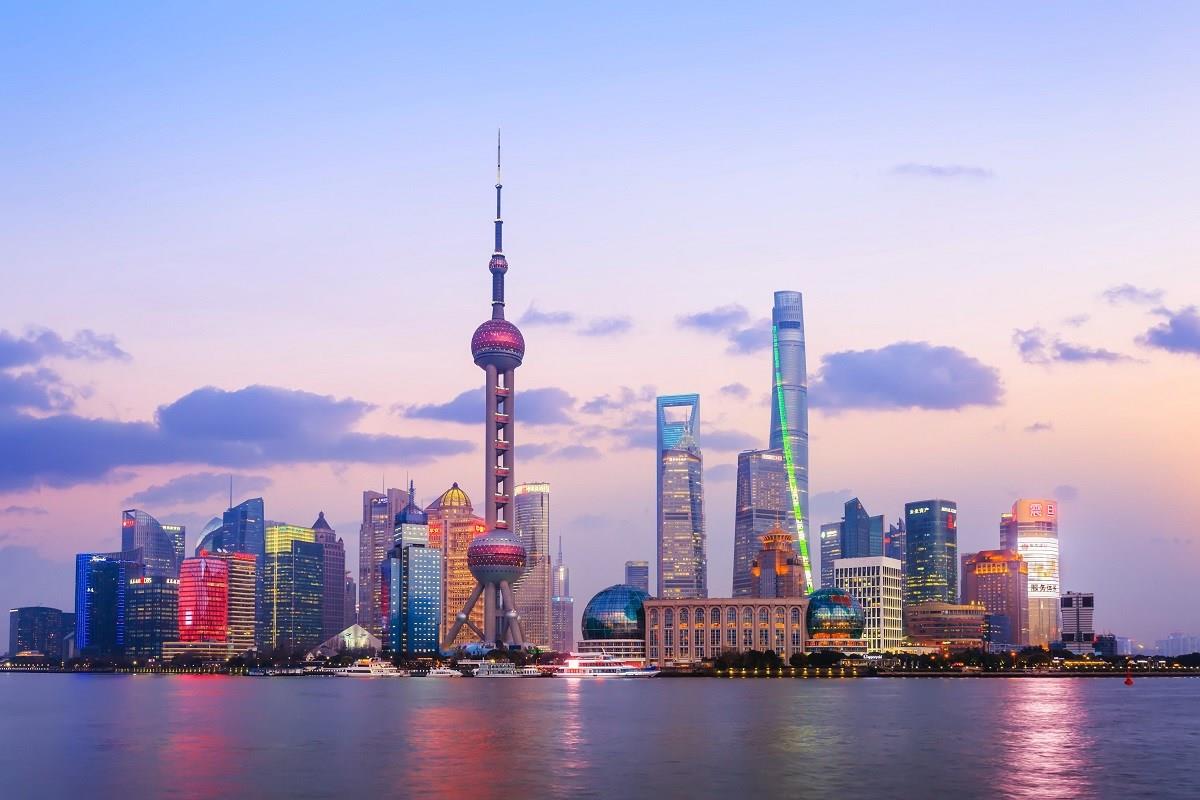


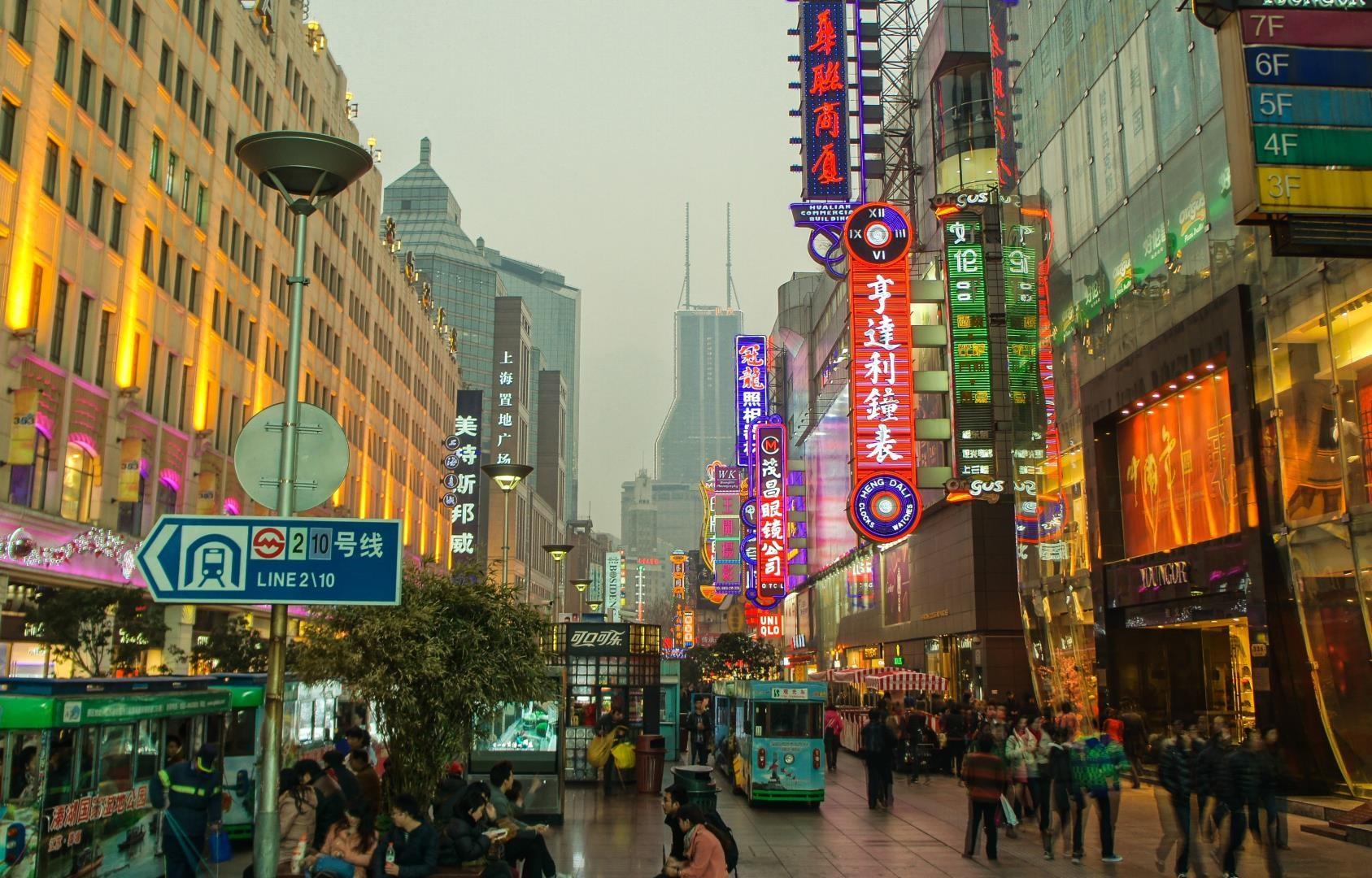

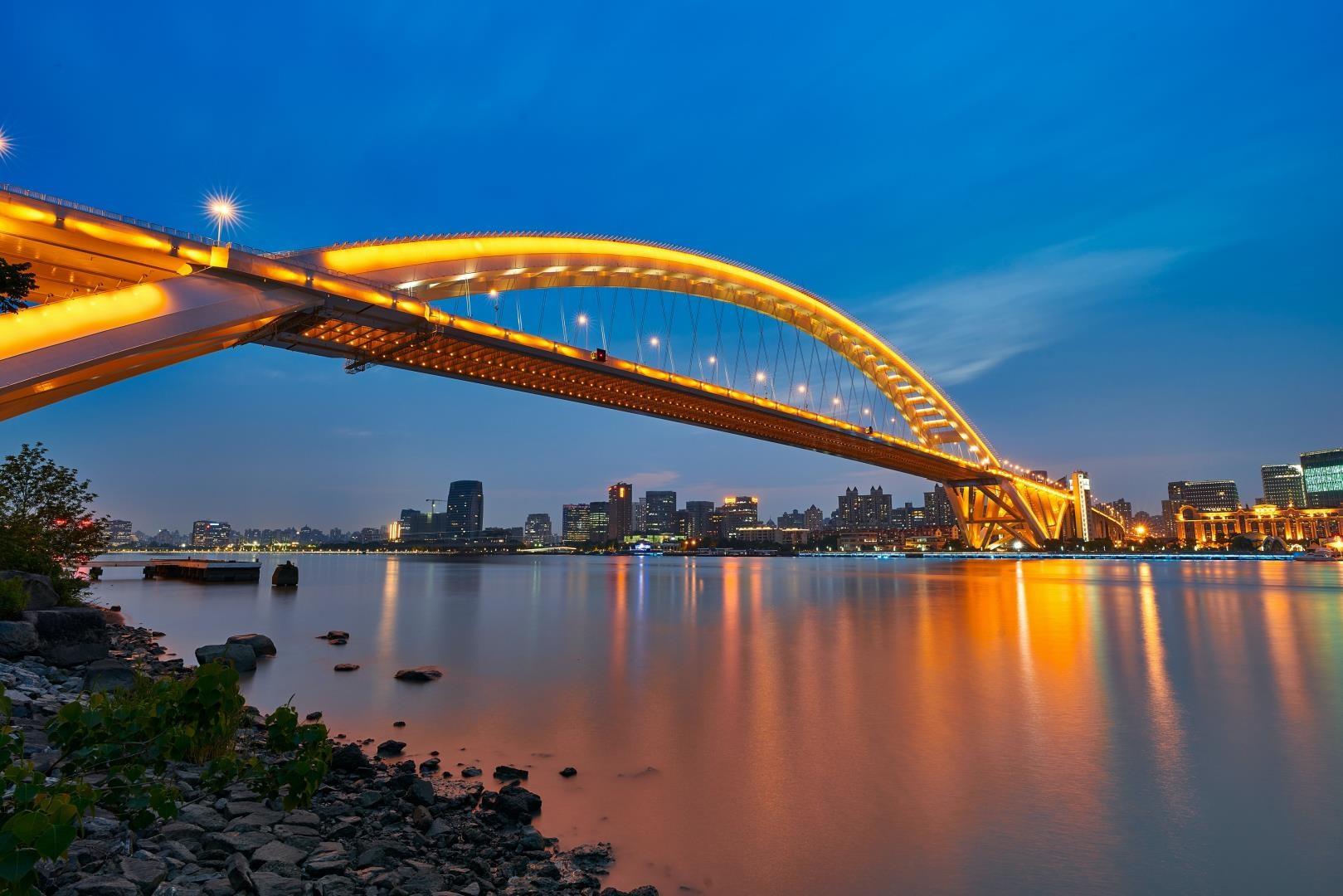

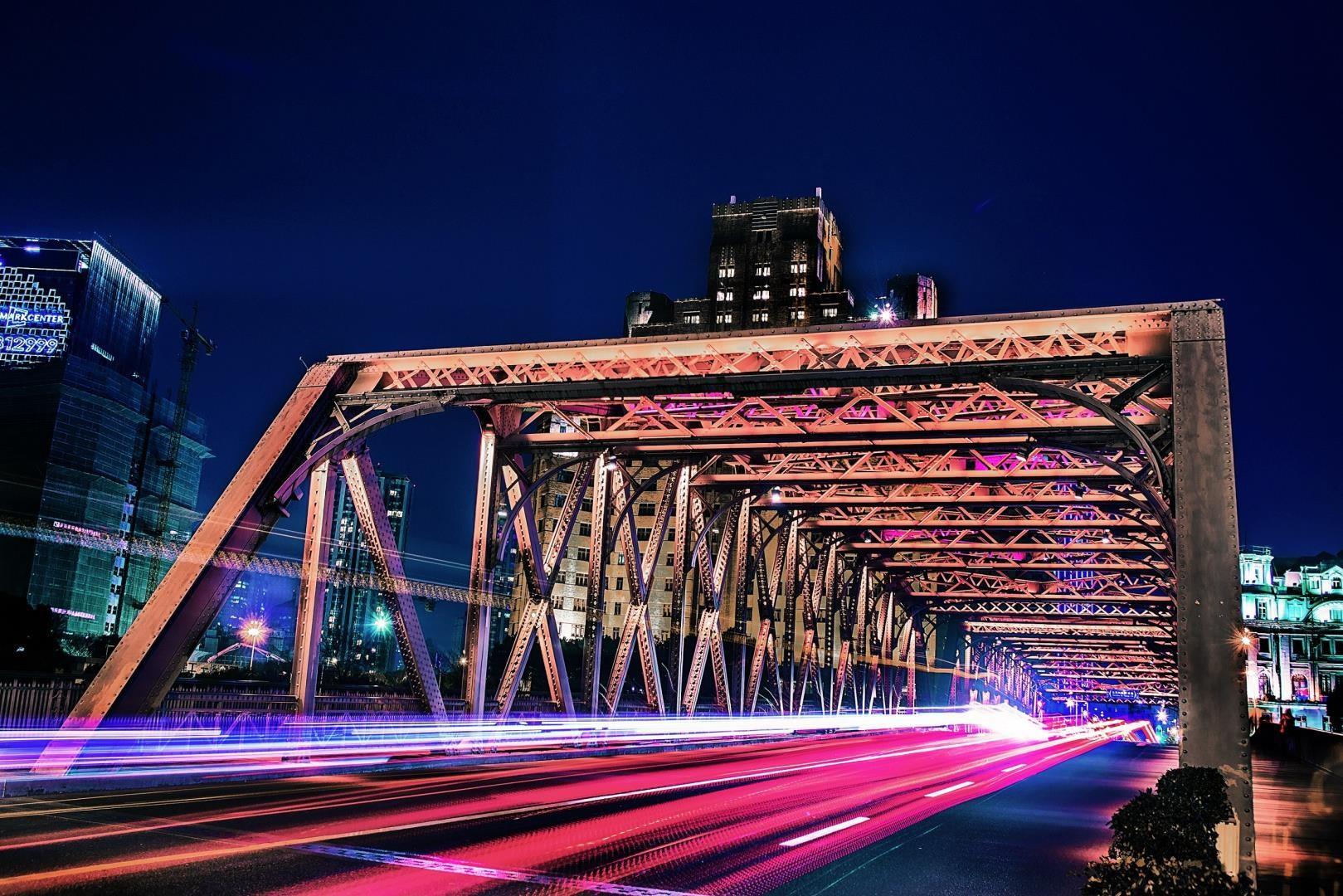

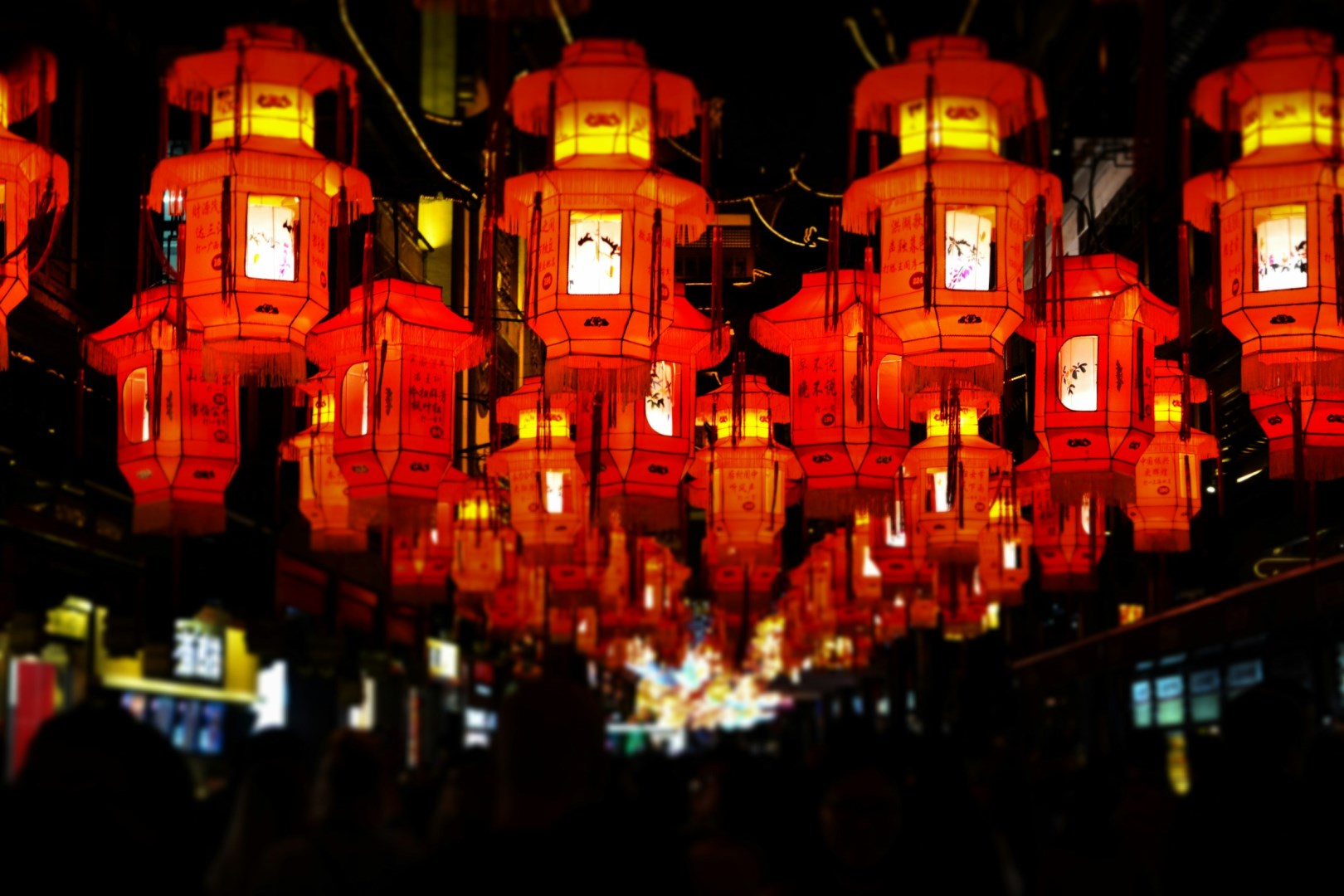
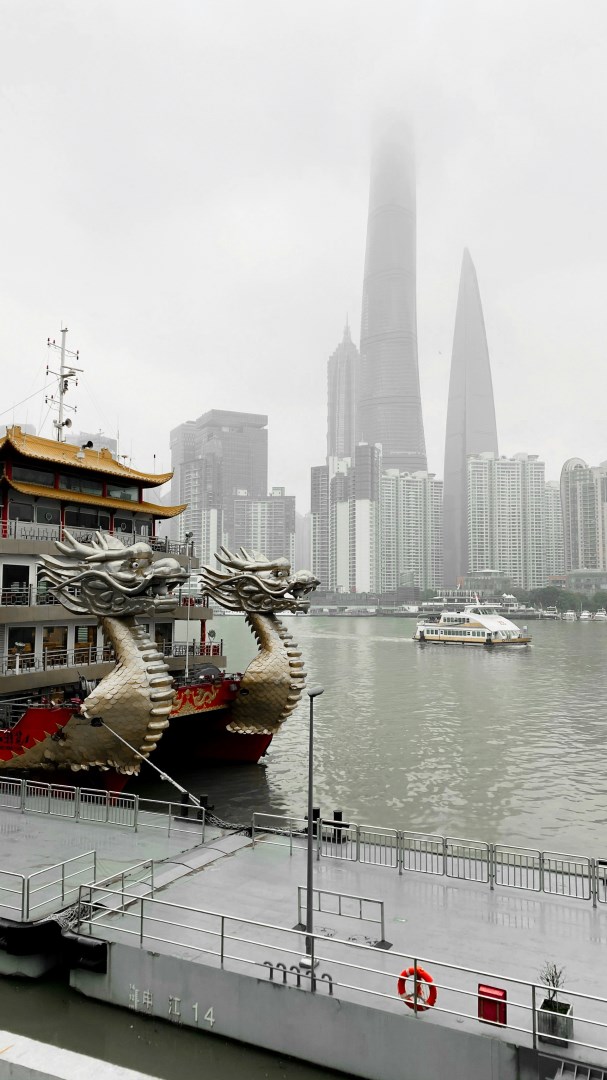
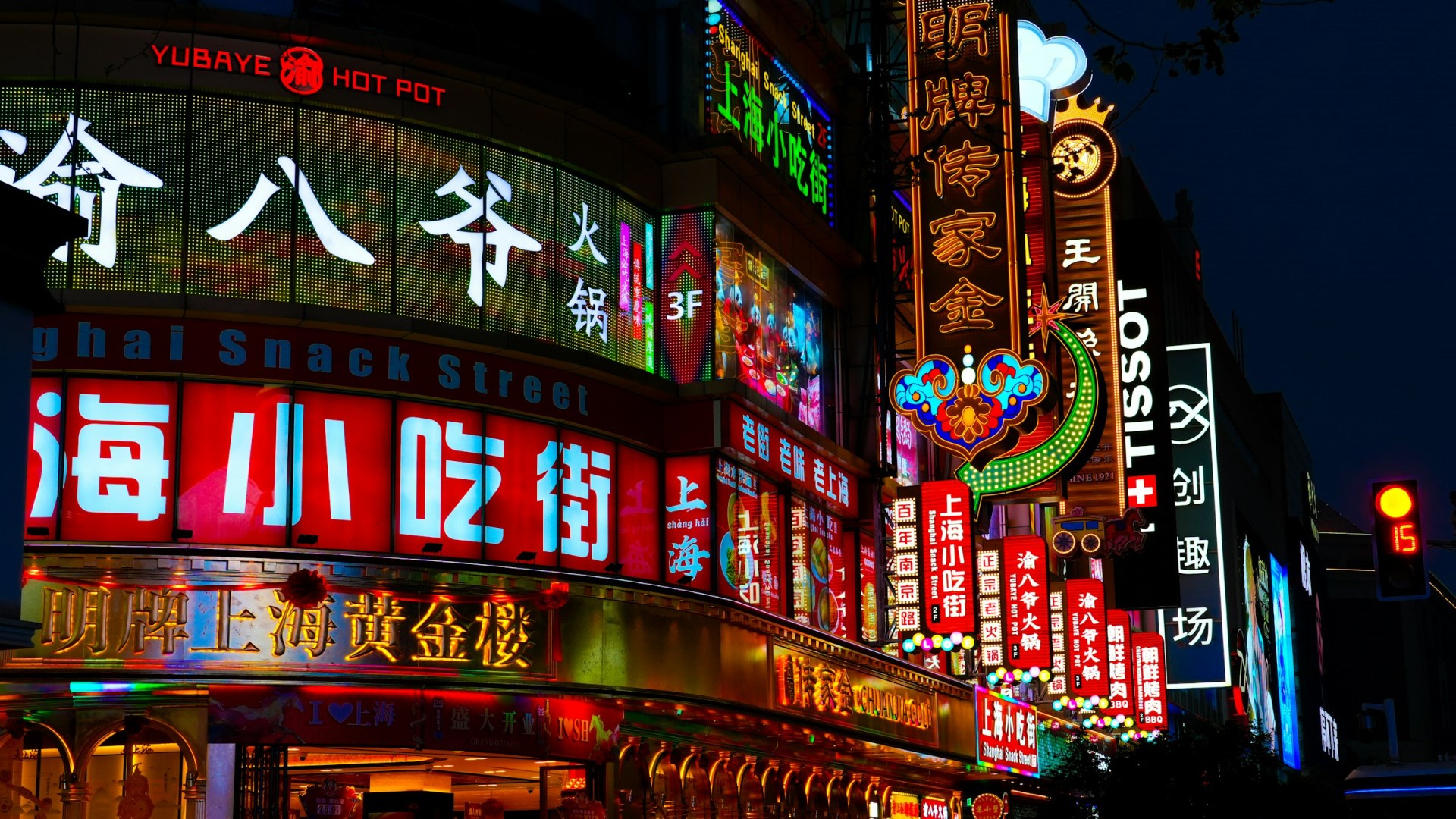
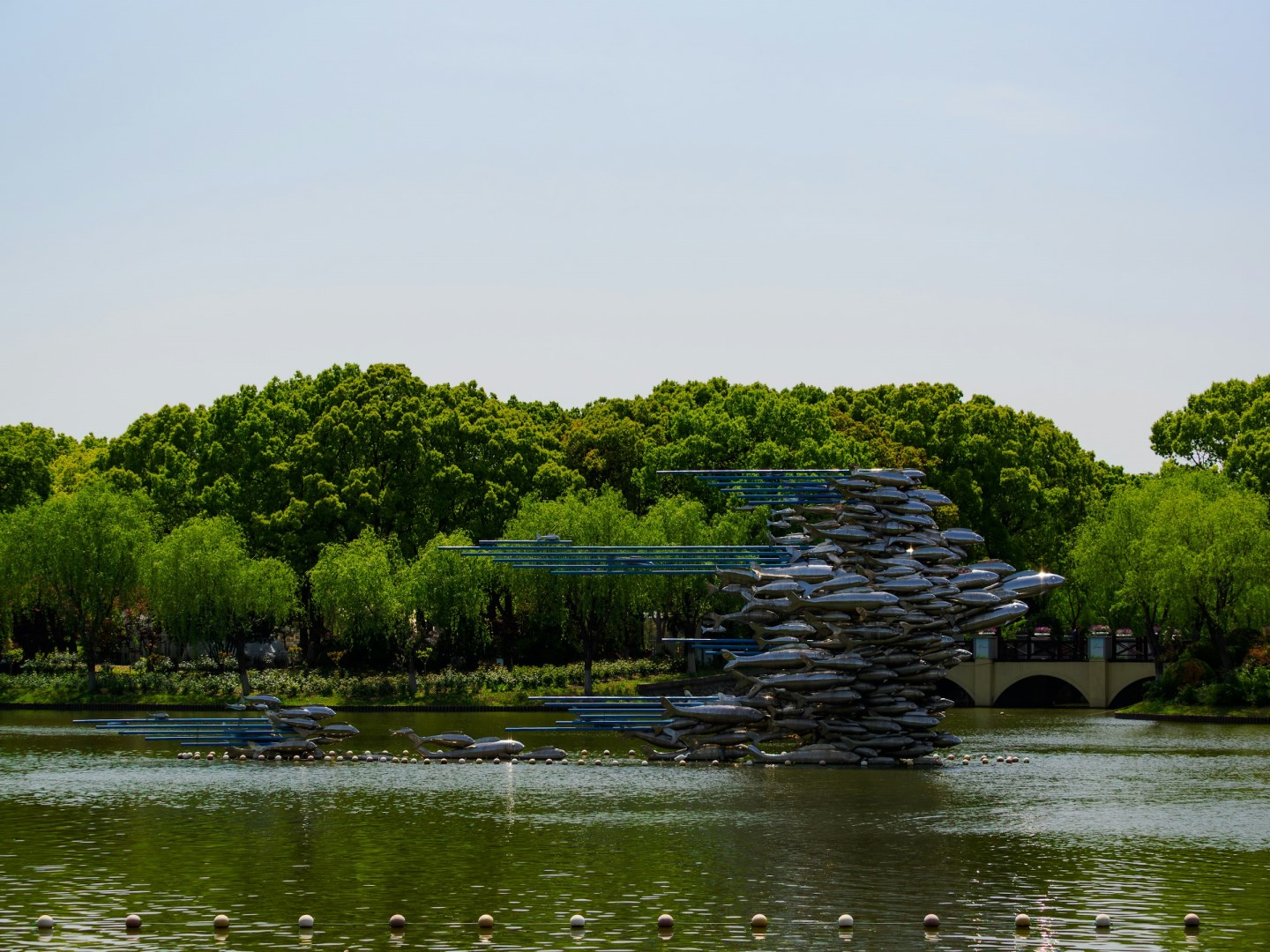
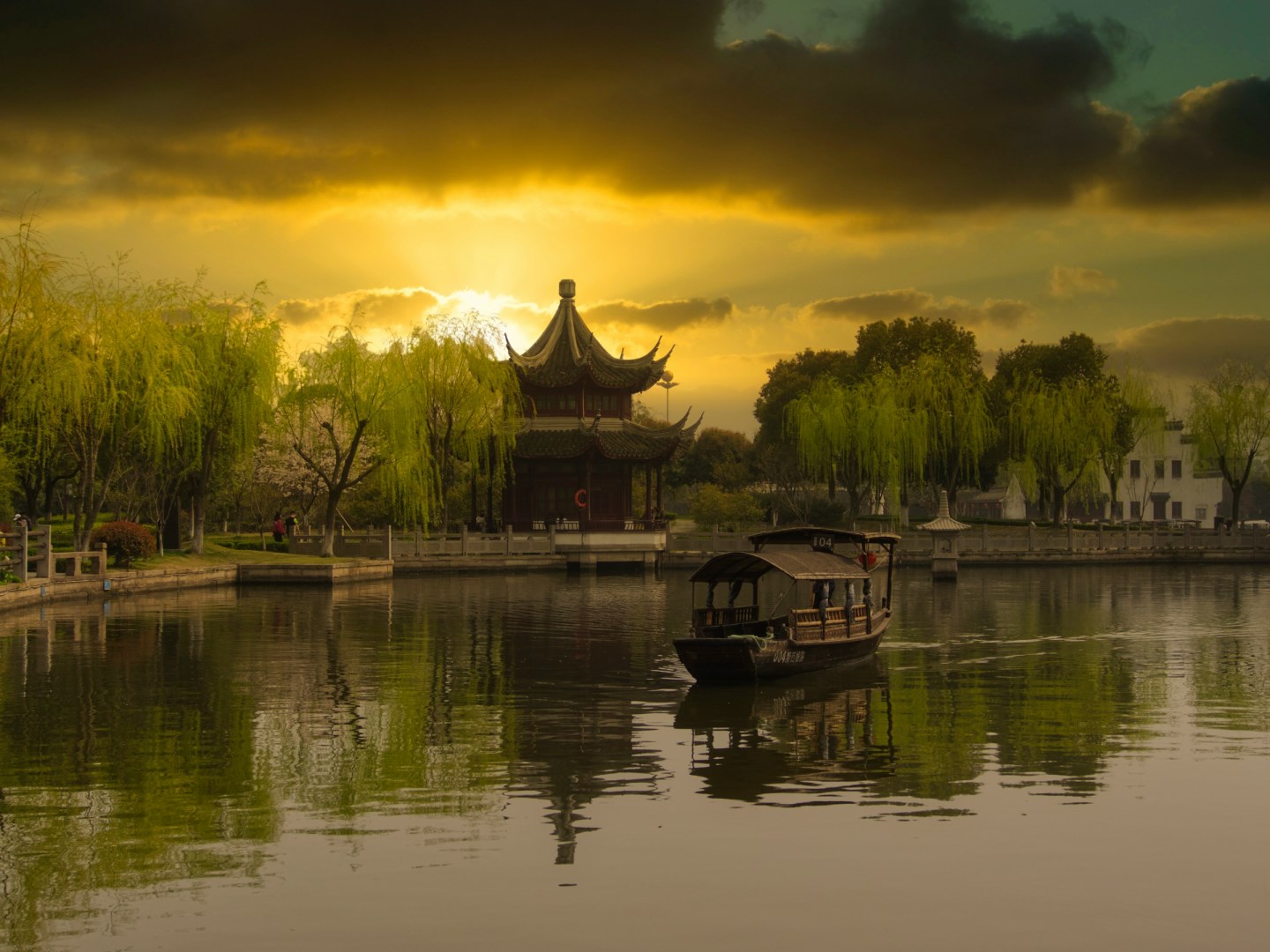
Shanghai is a city where contrasting timelines meet at every corner. Once a small fishing village along the Huangpu River, it grew rapidly during the 19th century into a major trading port. Today, its skyline tells a story of that transformation. On one side, the Bund’s colonial-era buildings stand tall in limestone and granite; on the other, the futuristic towers of Pudong, like the Shanghai Tower and Jin Mao, stretch into the clouds. Visitors can walk along the Bund promenade at sunset, when the skyline lights up and the river becomes a moving mirror of old and new.
Beyond the high-rises, Shanghai protects its cultural heritage in districts like Xintiandi and Tianzifang. These areas preserve traditional “shikumen” houses, stone-gated homes that combine Western and Chinese architectural elements and are now filled with boutique shops, teahouses, and galleries. At the Shanghai Museum, located in People’s Square, travelers can explore thousands of years of Chinese art, from ancient bronzes to delicate calligraphy, all displayed in a building shaped like a traditional cooking vessel called a ding.
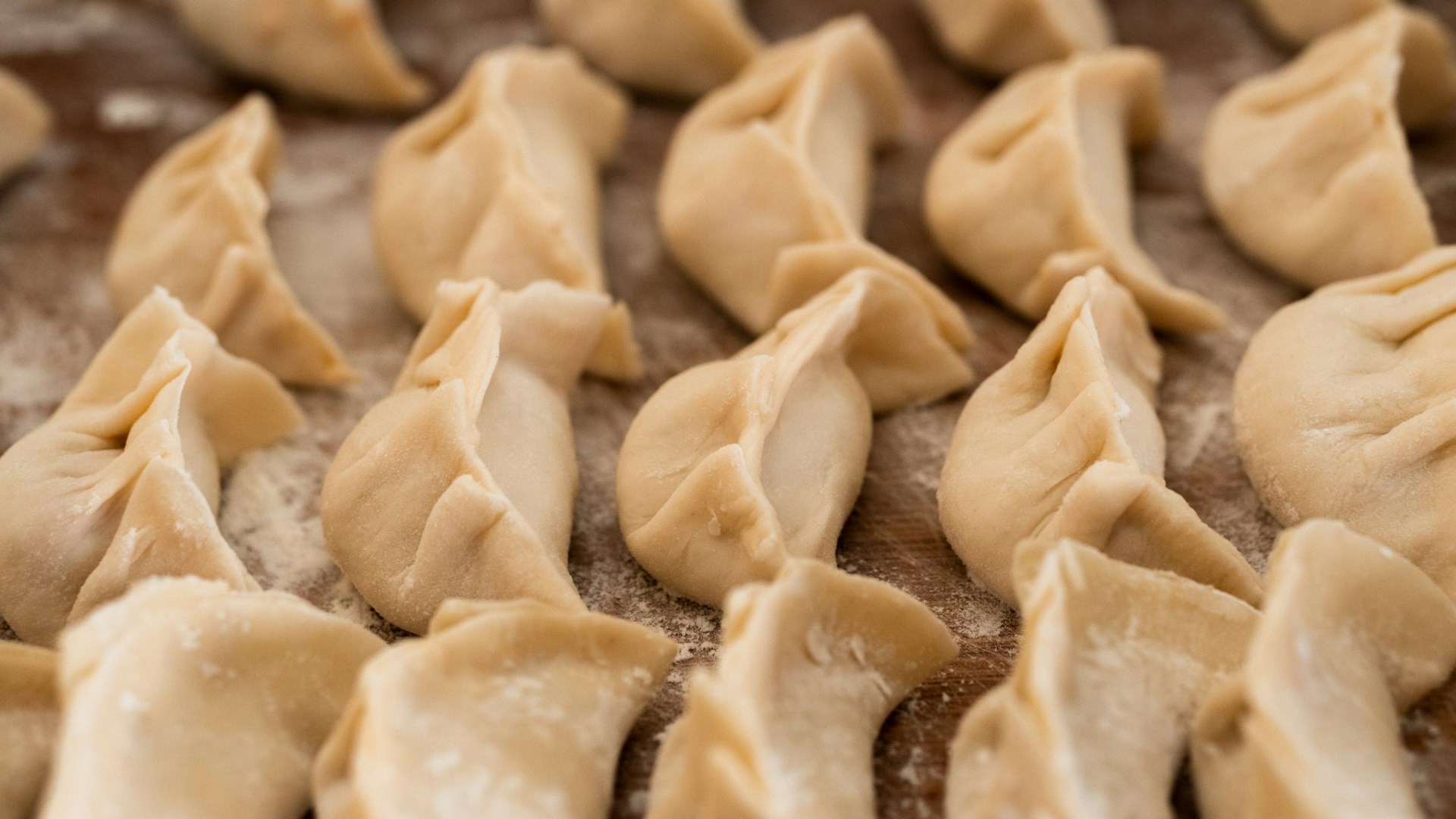
Shanghai’s culinary landscape is a destination in itself. The city is the birthplace of xiaolongbao, the famous soup dumpling that arrives at your table steaming in a bamboo basket. Visitors can try them at places like Din Tai Fung or Jia Jia Tang Bao, where each dumpling is handmade and filled with hot broth and minced pork. In the evening, street food alleys serve dishes like scallion oil noodles, crispy fried stinky tofu, and sweet tanghulu, candied hawthorn skewers that glisten under night market lights.
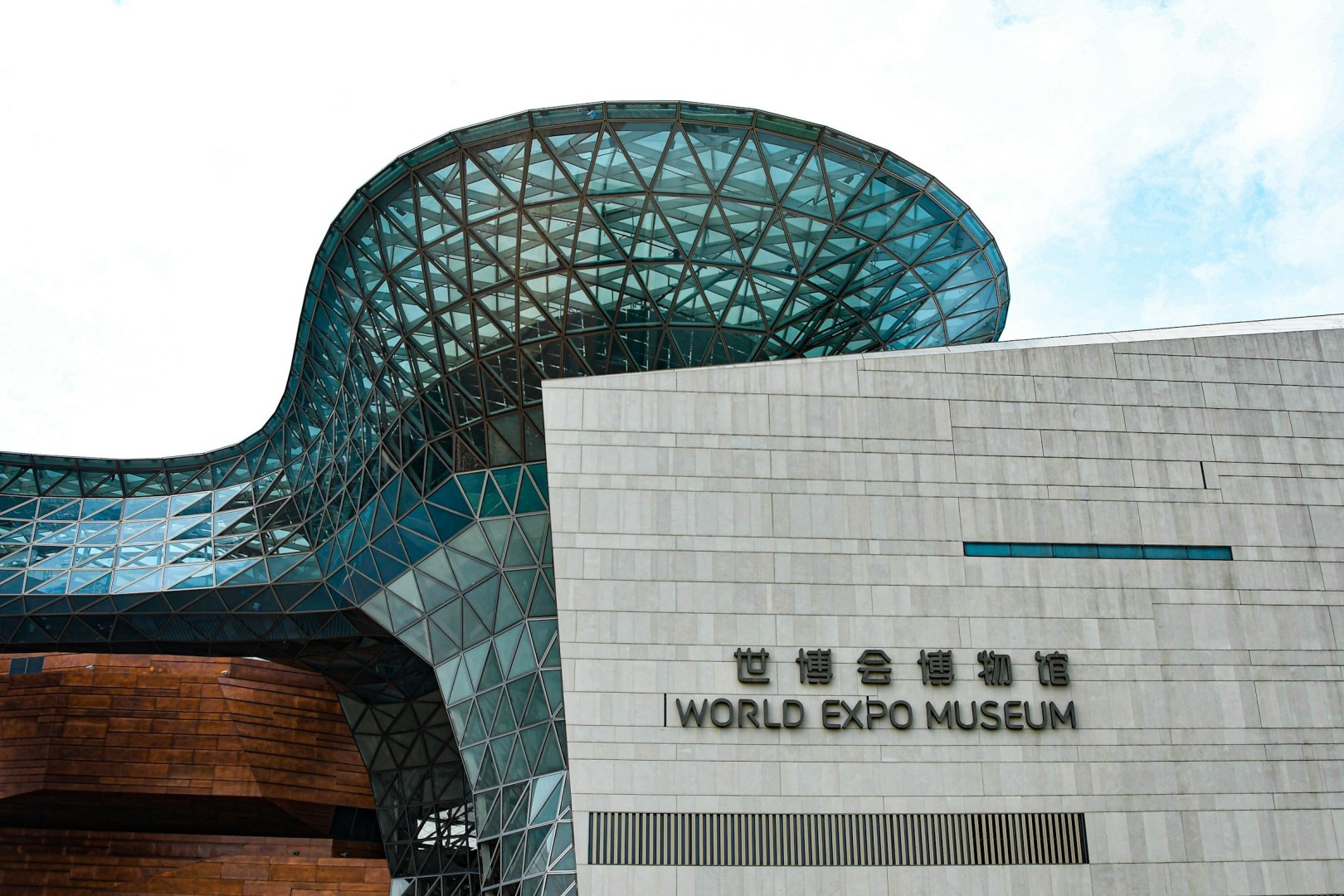
The World Expo Museum in Shanghai is the only official museum and documentation center in the world devoted entirely to International Expos, with exhibitions examining their history, themes, innovations, and cultural influence. Located on the former site of Expo 2010 Shanghai near the Huangpu River, the museum covers more than 46,000 square meters and combines exhibition galleries with research and collection facilities. Its permanent displays include eight exhibition halls covering the development of Expos, the Shanghai event, and later international exhibitions. The building’s design includes a glass-covered structure known as the “Celebration Cloud” above the exhibition area, creating a distinctive landmark within Shanghai’s former Expo district.
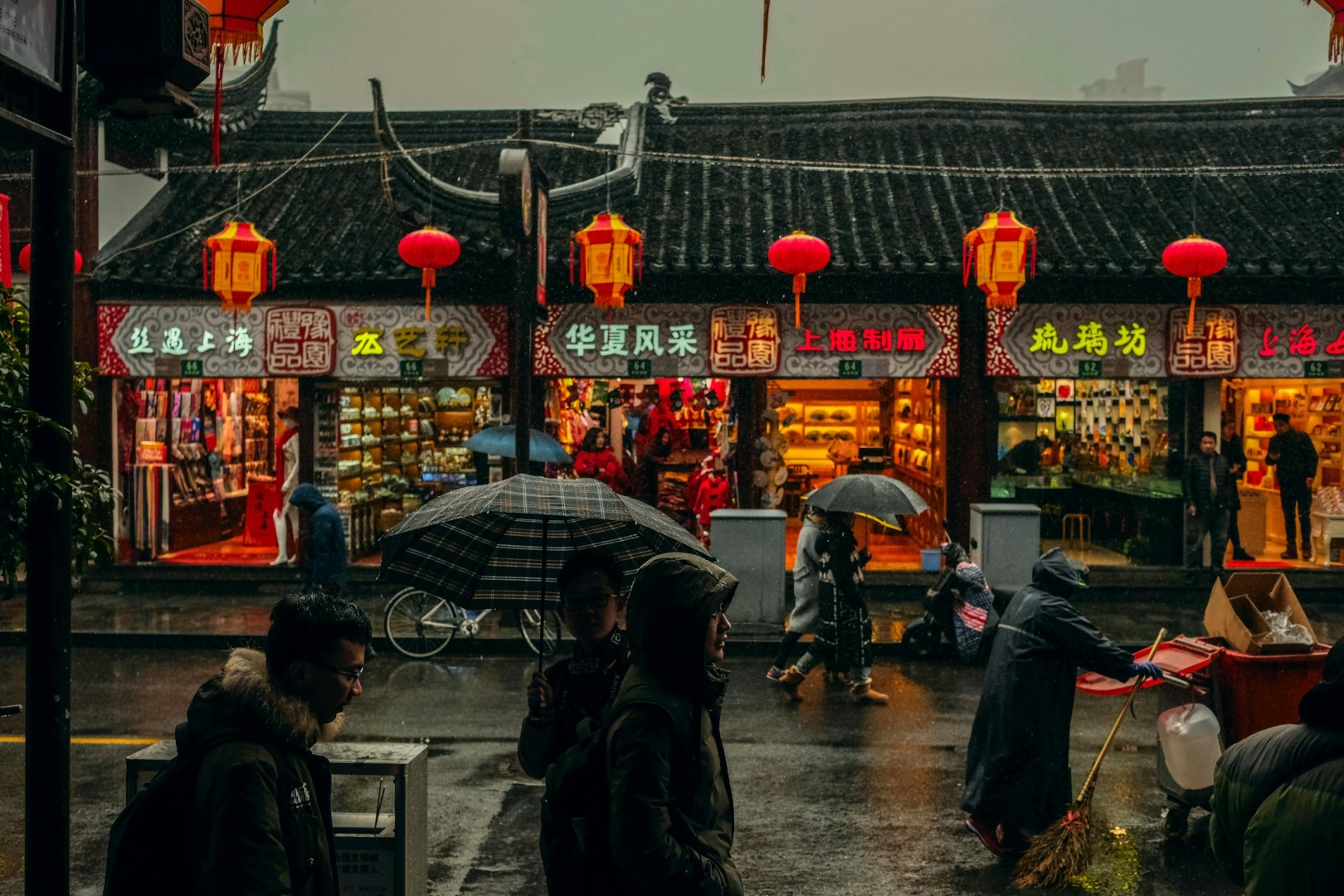
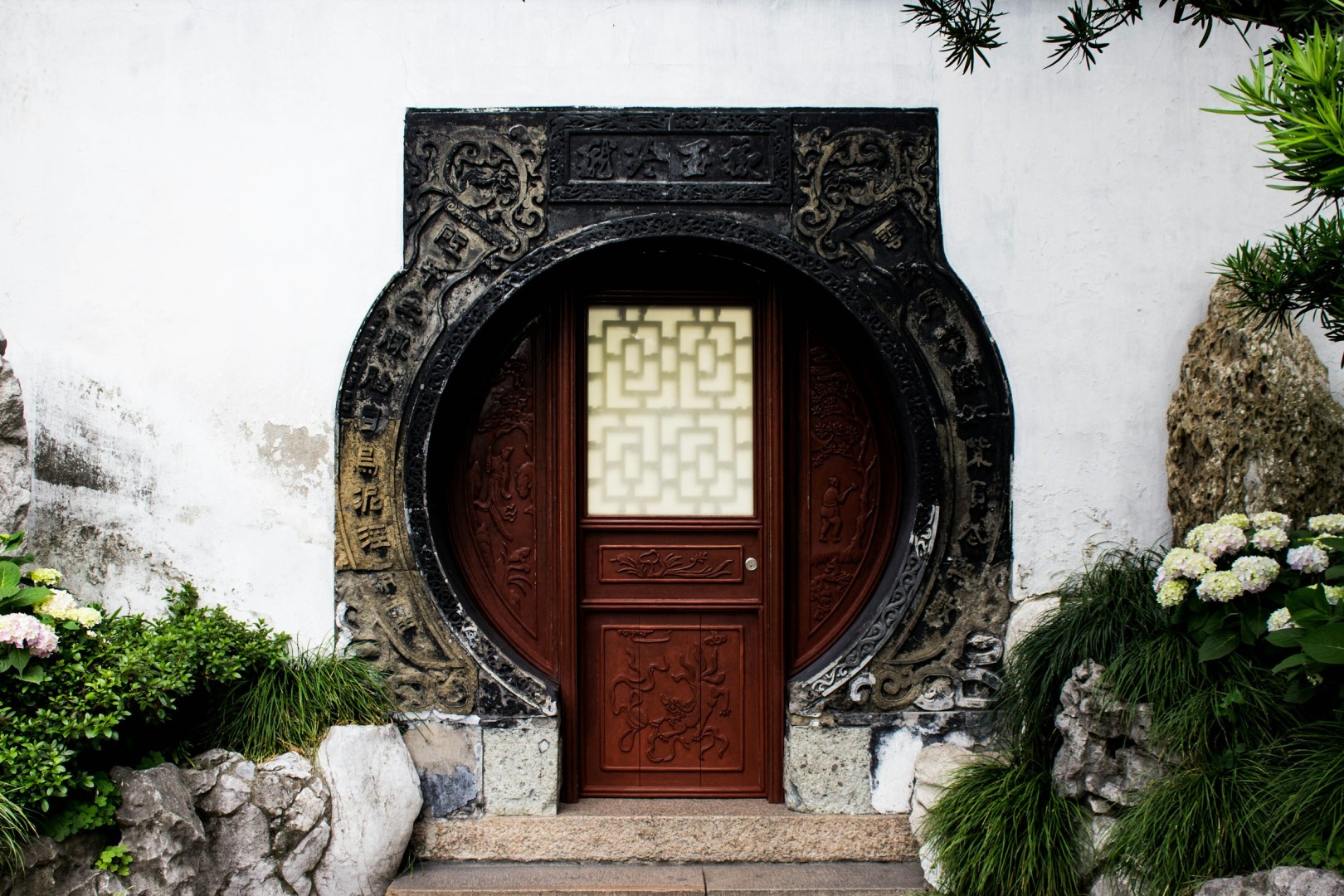
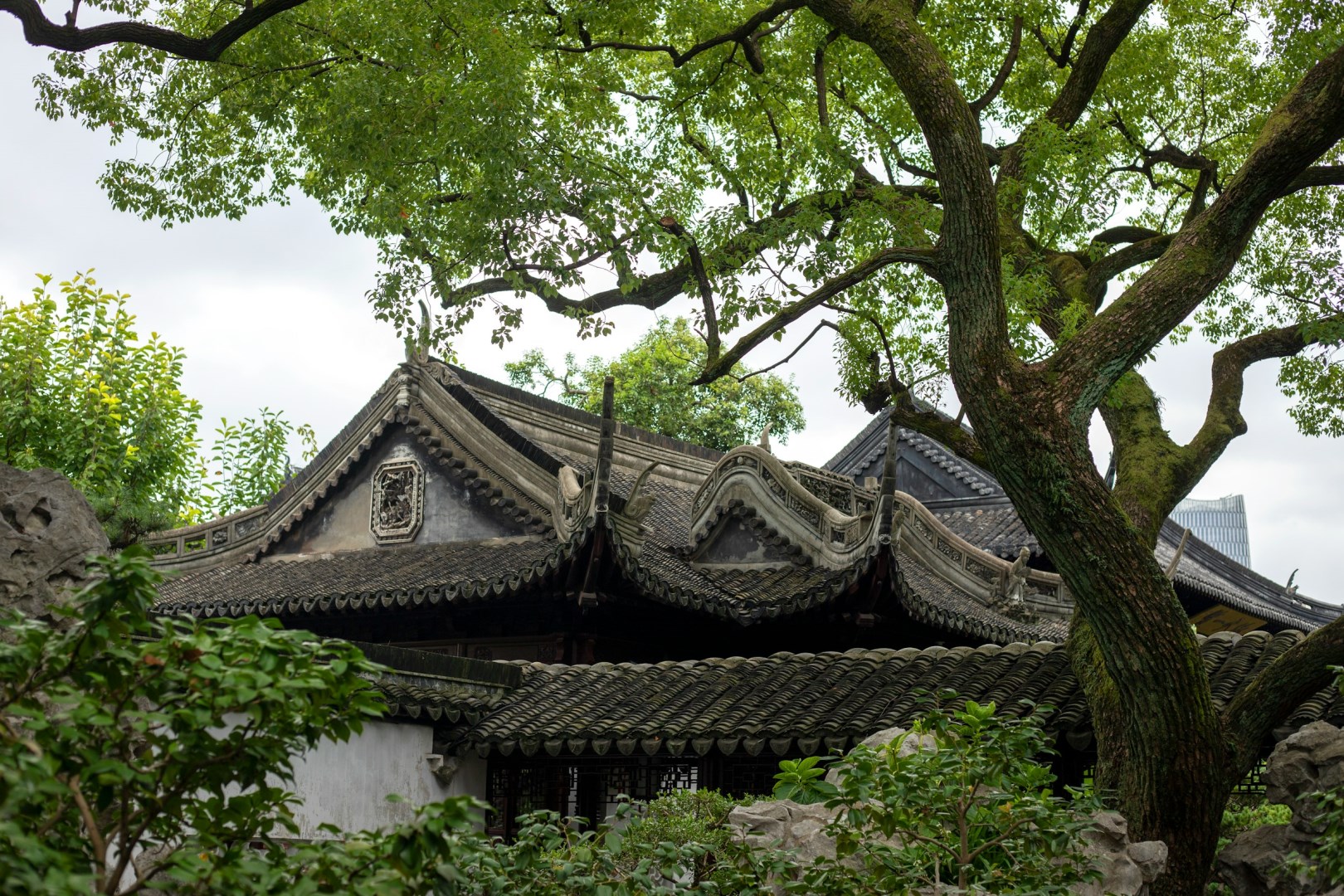
Yuyuan Garden is a classical Chinese garden in Shanghai’s Old City, known for its carefully arranged rockeries, ponds, pavilions, covered corridors, and traditional halls. The garden follows principles of Chinese landscape design in which natural elements are composed to create changing views within a compact space. Notable features include the Exquisite Jade Rock, the Hall of Heralding Spring, the Sansui Hall, and the Nine Lion Study. Decorative dragon walls divide sections of the garden, while the surrounding Yuyuan Bazaar contains traditional-style buildings, shops, and food stalls. The nearby City God Temple area adds another layer of religious and commercial heritage to this historic part of Shanghai.
Pudong is the large urban district on the eastern bank of the Huangpu River in Shanghai, encompassing the city’s modern financial center, extensive waterfront areas, and several major cultural and leisure destinations. Lujiazui forms its most recognizable skyline, with the Oriental Pearl Tower, Jin Mao Tower, Shanghai World Financial Center, and Shanghai Tower rising above the river. Along the waterfront, Binjiang Avenue provides walking areas with views toward the historic Bund, while Century Park offers landscaped open space farther east. Pudong also contains Shanghai Disneyland, the Shanghai Science and Technology Museum, and Xinchang Ancient Town, giving the district a wide range of attractions beyond its skyscrapers.
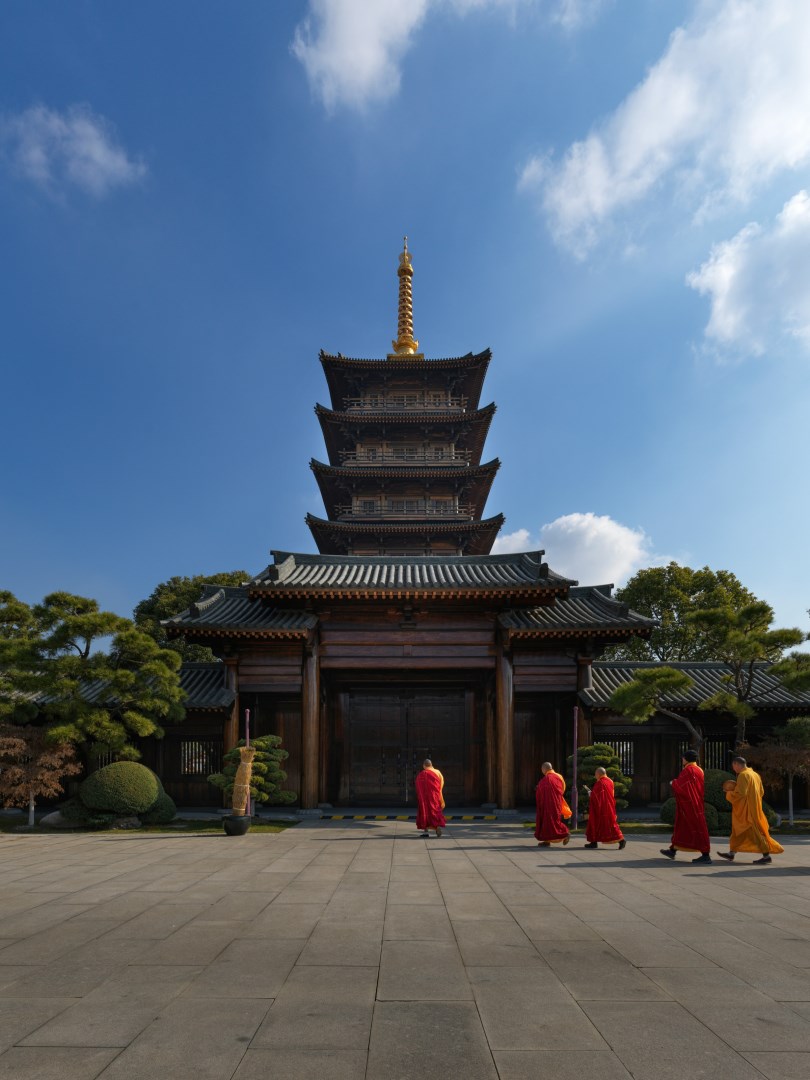
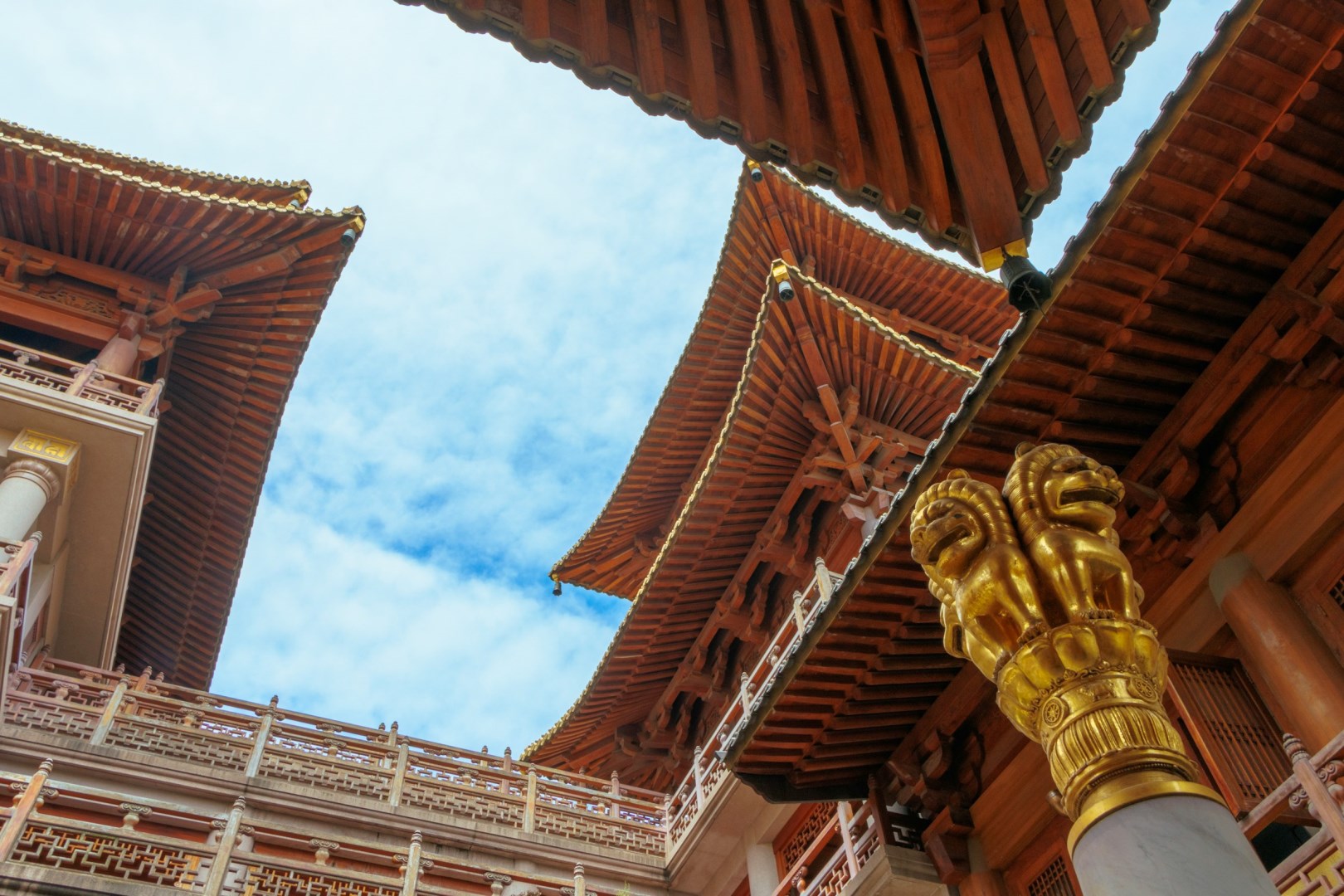
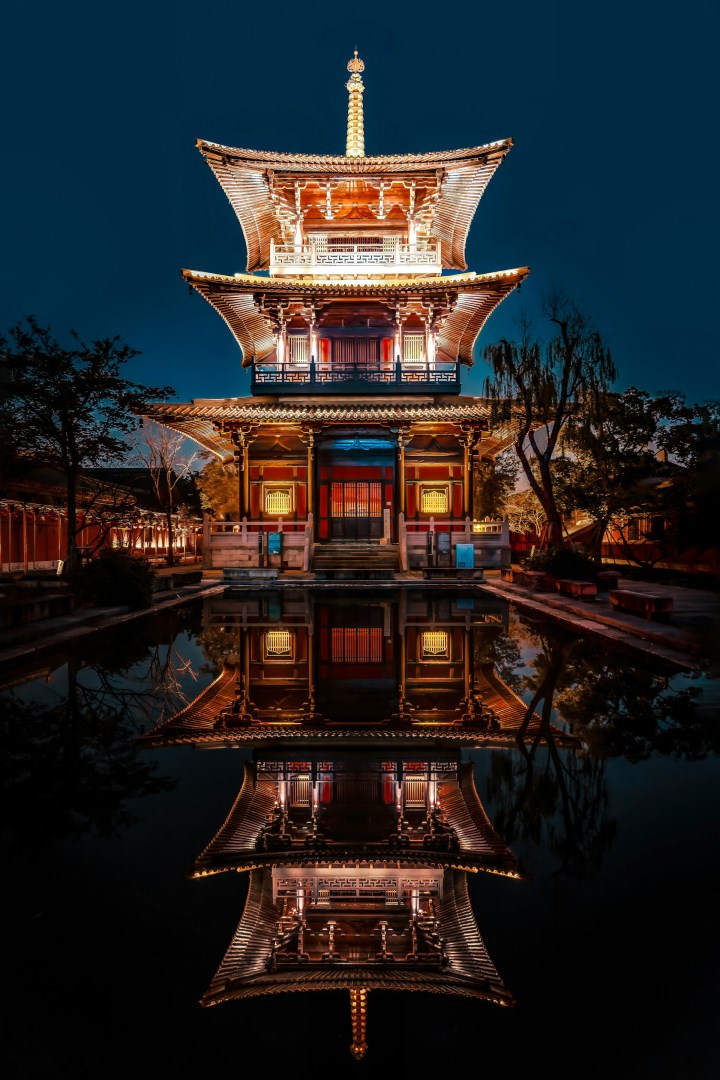
Baoshan Temple is a Buddhist temple in Luodian Town in Shanghai’s Baoshan District, known for its traditional Chinese architecture and carefully arranged religious complex. The buildings are constructed using mortise-and-tenon joinery and African padauk wood, without nails, and follow a central-axis layout. The complex includes the Hall of Heavenly Kings, Hall of Mahavira, Main Shrine Hall, pagodas, and winding corridors, creating a sequence of courtyards and ceremonial spaces. Its architectural style draws on the appearance of late Tang-era temples, while the site also serves as an active Buddhist religious venue. The temple covers about 6,000 square meters and is part of Baoshan’s cultural heritage landscape.
Jing’an Temple is a prominent Buddhist temple in central Shanghai, located on West Nanjing Road beside Jing’an Park. Its architecture combines traditional Chinese Buddhist forms with a highly urban setting, with golden roofs, ornate halls, and a prominent copper statue of the Buddha of Medicine. The temple complex includes the Hall of Heavenly Kings, Mahavira Hall, and Hall of the Three Buddhas, along with a large silver Buddha statue carved from a single piece of silver. Jing’an Temple is also associated with the Jing’an District’s name and remains an active place of Buddhist worship, ceremonies, and cultural activity within one of Shanghai’s busiest commercial areas.

